
Most owners are trained to do one thing when hiring a contractor: get three quotes and pick the lowest number.
In construction, that habit usually ends the same way.
Everyone spends the rest of the project arguing about what was “included,” trust erodes, and the job turns into a margin-and-schedule stress test instead of a clean delivery.
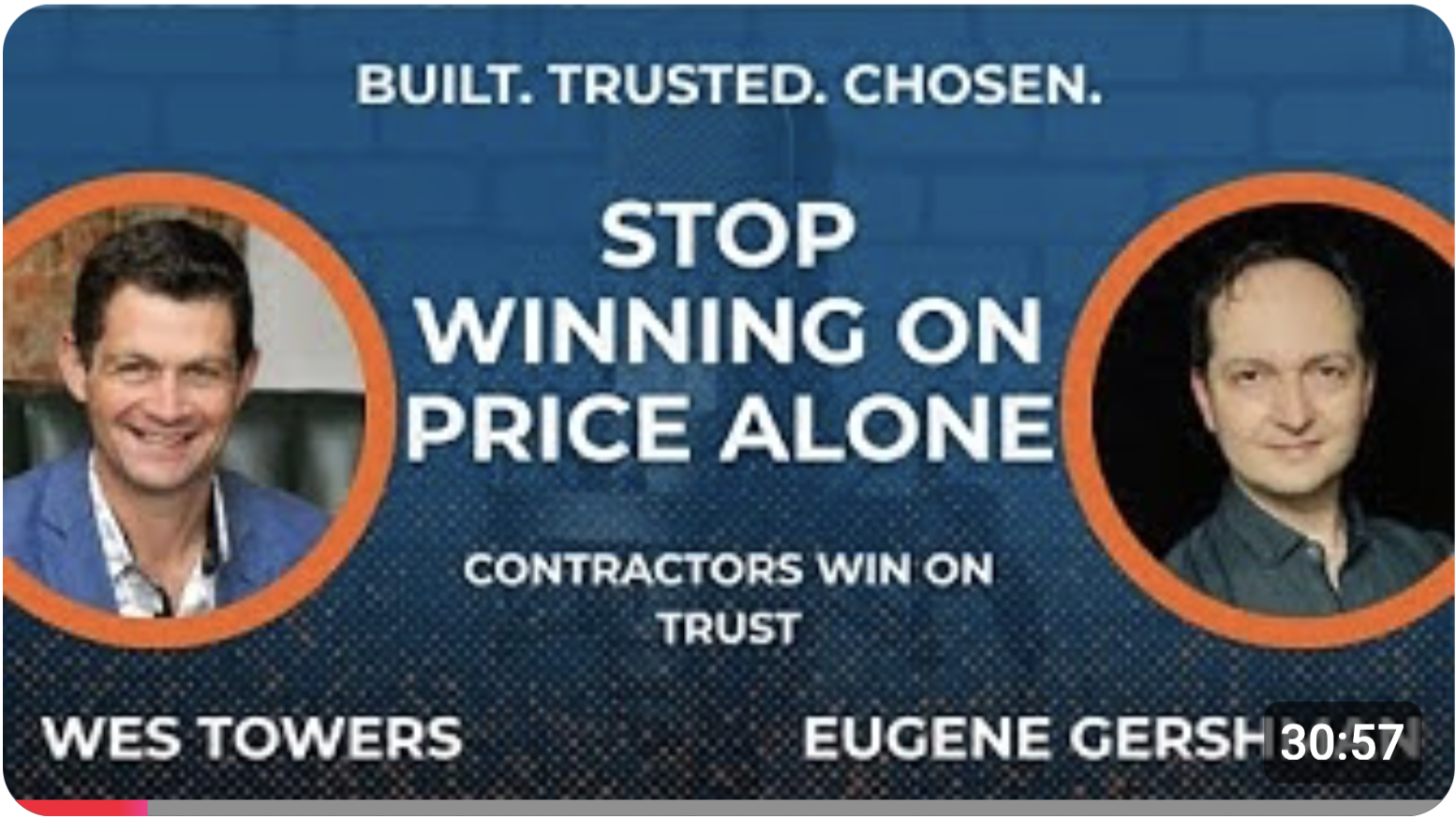
On this episode of Built. Trusted. Chosen., I joined the show to talk about what actually protects projects when markets tighten: strong working relationships, honest fee structures, and refusing to cut corners on design and planning.
Below are the key themes we covered.
Key takeaways
1) Cheap plans are expensive
A “permit-only” drawing set can be good enough to get approved and still be incomplete for construction.
When drawings have gaps, those gaps don’t disappear.
They get paid for later through RFIs, delays, change orders, and field-driven redesign that should’ve been solved on paper.
If you can spot weak plans early, the responsible move is to call it out and pressure-test it before precon turns into cleanup.
2) Construction isn’t online retail
A lot of inexperienced owners try to run construction like an online purchase: issue an RFP, compare numbers, pick the lowest bid.
Contractors are incentivized to respond by cutting scope to win—and then recovering the difference through change orders.
Owners feel misled.
Contractors feel squeezed.
The real problem is the process: low communication and mismatched expectations.
3) Compare builders on fee and margin, not a fantasy total
Quantities are quantities.
You don’t pour “more or less concrete than you need.”
So instead of forcing contractors to guess a total number early, we focus on how they price what’s real and controllable:
- Fee
- Margin
- General requirements / general conditions
That structure tells you whether the contractor is running a sustainable business—and whether they’ll be able to perform when things get tight.
4) You can’t build a building from behind a screen
Site presence isn’t optional.
You don’t catch real issues from a laptop.
More importantly, trust is built face-to-face, in the field, with direct communication—not in an email thread.
Reputations travel fast in construction.
Showing up matters.
5) “Old school” human touches are a competitive advantage
When bids and proposals start looking identical, the differentiator is often simple:
- show your work
- introduce yourself
- have the conversation
- do the human things most people skip (printed materials, follow-ups, real accountability)
In a world full of digital noise, being visibly real becomes an edge.
Here’s the link to the source. Be sure to follow Wes Towers and Uplift 360: