Insights

AI Feasibility Tools Don’t Replace Feasibility Thinking

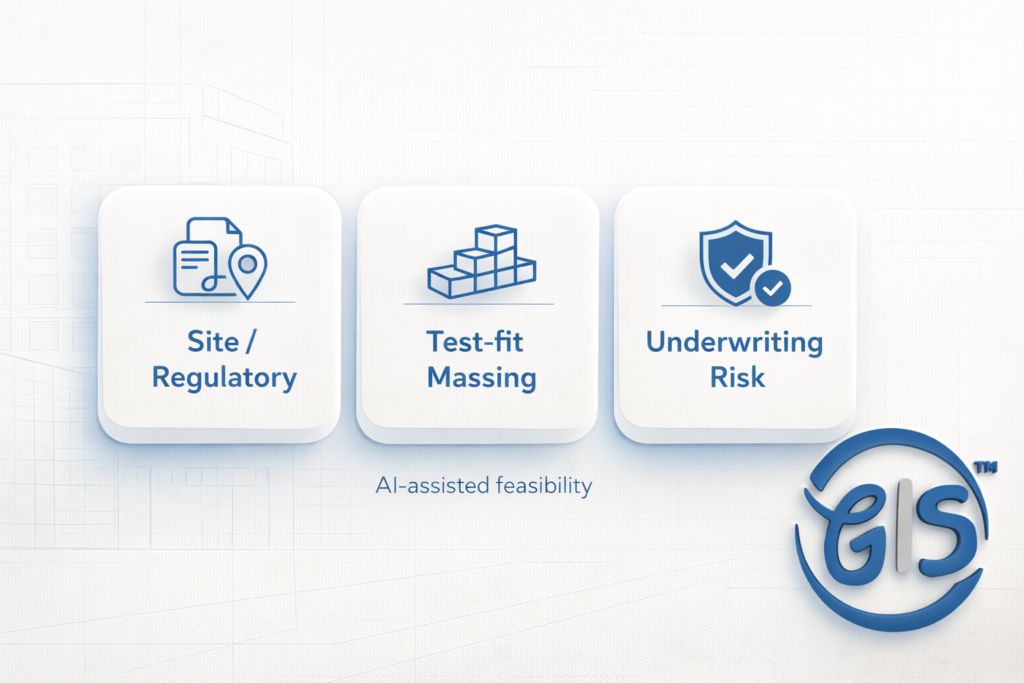
AI feasibility tools can speed up early development analysis, but they don’t produce decision-grade feasibility on their own. The quality of any “AI feasibility report” depends on the operator—asking the right questions, validating assumptions, and connecting zoning, test-fit, costs, schedule, and market reality into a defensible recommendation. Just like a professional camera won’t create a well-composed photo by itself, professional-grade AI tools still require experienced development management to guide the process and avoid costly misreads.

AI Feasibility Tools Don’t Replace Feasibility Thinking Read Post »

The Seattle Middle Housing Trap

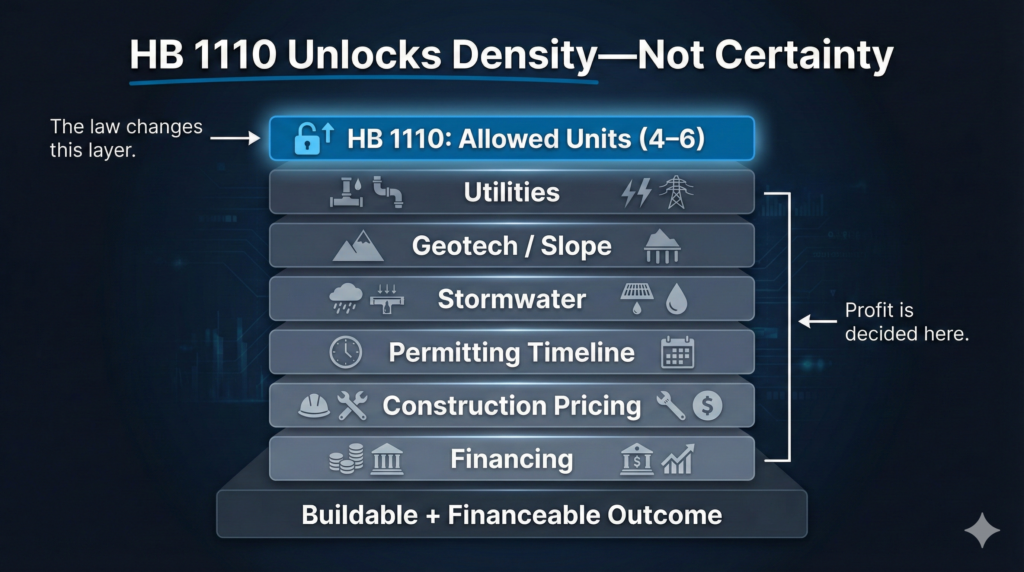
HB 1110 changed what many Greater Seattle lots are allowed to build—but it didn’t change what makes projects profitable. The bill can raise the ceiling to 4–6 units in the right contexts, yet the real outcome is still governed by utilities, slope/geotech risk, stormwater scope, permitting timelines, construction pricing, and whether senior debt will underwrite the plan. In this insight piece, we break down what HB 1110 actually does, why “new density” often turns into a margin trap, and the practical sequence owners should follow to separate real opportunities from expensive distractions.

The Seattle Middle Housing Trap Read Post »

Scroll to Top